


As a supplier of water filling lines, I often encounter inquiries from customers about the versatility of our equipment. One common question is whether a water filling line can be used for filling other liquids. This blog post aims to explore this topic in depth, providing insights into the capabilities and limitations of water filling lines when it comes to filling different types of liquids.
Understanding Water Filling Lines
Before delving into the question of filling other liquids, it's essential to understand the basic components and functions of a water filling line. A typical water filling line consists of several key parts, including a bottle cleaning machine, a filling machine, a capping machine, and a labeling machine. These machines work together to clean, fill, cap, and label bottles efficiently and accurately.

The filling machine is the heart of the water filling line. It uses various filling methods, such as gravity filling, pressure filling, or vacuum filling, to dispense the liquid into the bottles. The choice of filling method depends on the properties of the liquid, such as its viscosity, density, and foaming tendency.
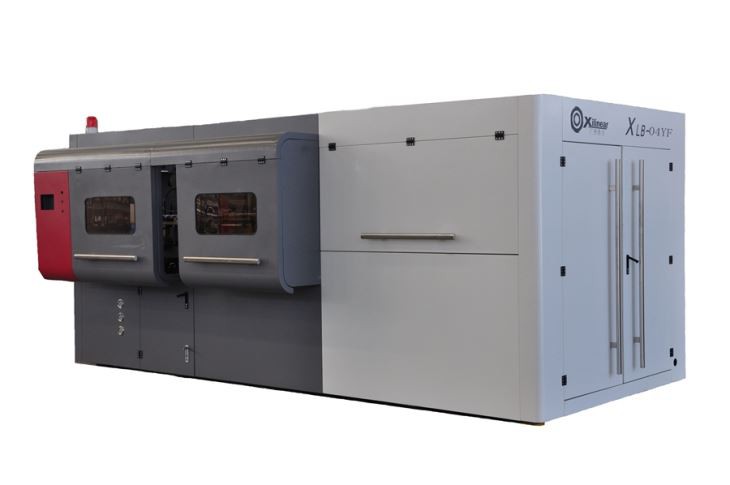
Factors Affecting the Use of Water Filling Lines for Other Liquids
While water filling lines are designed primarily for filling water, they can often be adapted to fill other liquids with similar properties. However, several factors need to be considered before using a water filling line for a different liquid:
- Liquid Properties: The physical and chemical properties of the liquid, such as viscosity, density, pH, and chemical composition, can significantly affect the filling process. For example, highly viscous liquids may require a different filling method or a modified filling machine to ensure proper filling.
- Compatibility: The materials used in the filling line, such as the pipes, valves, and seals, must be compatible with the liquid to prevent contamination or corrosion. Some liquids may react with certain materials, leading to product quality issues or equipment damage.
- Filling Accuracy: Different liquids may have different filling requirements, such as the filling volume, filling speed, and filling precision. The water filling line may need to be adjusted or calibrated to meet the specific filling requirements of the new liquid.
- Cleaning and Sanitization: After filling a different liquid, the filling line must be thoroughly cleaned and sanitized to prevent cross-contamination. This may require additional cleaning procedures or the use of specialized cleaning agents.
Types of Liquids That Can Be Filled Using a Water Filling Line
Despite the above factors, many types of liquids can be filled using a water filling line with some modifications or adjustments. Here are some common examples:
- Soft Drinks: Soft drinks, such as carbonated beverages and fruit juices, have similar properties to water and can often be filled using a water filling line. However, due to the presence of carbon dioxide in carbonated beverages, a pressure filling method is usually required to prevent foaming.
- Mineral Water and Spring Water: Mineral water and spring water have similar properties to regular water and can be filled using a water filling line without significant modifications. However, the filling line may need to be equipped with additional filtration or purification systems to ensure the quality of the water.
- Tea and Coffee: Tea and coffee beverages can also be filled using a water filling line, provided that the liquid is properly filtered and cooled to prevent clogging of the filling nozzles. The filling line may need to be adjusted to accommodate the higher viscosity of these beverages.
- Alcoholic Beverages: Some alcoholic beverages, such as beer and wine, can be filled using a water filling line with some modifications. However, due to the presence of alcohol and carbon dioxide in these beverages, special filling methods and equipment may be required to ensure proper filling and prevent foaming.
Modifications and Adjustments for Filling Other Liquids
To use a water filling line for filling other liquids, several modifications and adjustments may be required:
- Filling Nozzles: The filling nozzles may need to be replaced or modified to accommodate the different properties of the liquid. For example, a larger nozzle may be required for filling highly viscous liquids, while a special anti-foaming nozzle may be needed for filling carbonated beverages.
- Pumps and Valves: The pumps and valves in the filling line may need to be adjusted or replaced to ensure proper flow and pressure control. For example, a higher-pressure pump may be required for filling liquids with high viscosity or density.
- Cleaning and Sanitization Systems: The cleaning and sanitization systems in the filling line may need to be upgraded or modified to ensure thorough cleaning and disinfection after filling different liquids. This may include the use of specialized cleaning agents or the installation of additional cleaning equipment.
- Control Systems: The control systems in the filling line may need to be reprogrammed or adjusted to accommodate the different filling requirements of the new liquid. This may include setting the filling volume, filling speed, and filling precision.
Benefits of Using a Water Filling Line for Filling Other Liquids
Using a water filling line for filling other liquids can offer several benefits:
- Cost Savings: Investing in a single filling line that can be used for multiple liquids can significantly reduce the cost of equipment and maintenance. Instead of purchasing separate filling lines for each type of liquid, you can use a single line with some modifications.
- Flexibility: A versatile filling line allows you to quickly adapt to changing market demands and product offerings. You can easily switch between filling different liquids without the need for extensive equipment changes or downtime.
- Efficiency: Using a single filling line can improve the overall efficiency of your production process. You can streamline your operations, reduce the number of operators required, and minimize the risk of errors or downtime.
Conclusion
In conclusion, a water filling line can often be used for filling other liquids with some modifications and adjustments. However, it's essential to consider the properties of the liquid, the compatibility of the equipment, and the specific filling requirements before making any changes. By working with a professional supplier, such as our company, you can ensure that your water filling line is properly modified and optimized for filling different liquids.
If you're interested in learning more about our water filling lines or have any questions about filling other liquids, please don't hesitate to contact us. Our team of experts will be happy to assist you and provide you with a customized solution that meets your specific needs.


