


Hey there! As a supplier of rotary bottle fillers, I've seen firsthand how crucial it is to keep these machines running smoothly for the long haul. In this blog, I'll share some tips on how to ensure the long - term operation of a rotary bottle filler.
Regular Maintenance
First off, regular maintenance is the name of the game. Just like your car needs an oil change and tune - up, a rotary bottle filler needs routine care. You should start by creating a maintenance schedule. This schedule should include daily, weekly, monthly, and yearly tasks.
On a daily basis, check for any loose parts. A loose bolt or screw can cause a lot of problems down the line. Also, make sure to clean the filler nozzles. Over time, product residue can build up in the nozzles, which can lead to uneven filling or clogging. Use a soft brush and a mild cleaning solution to gently clean the nozzles.
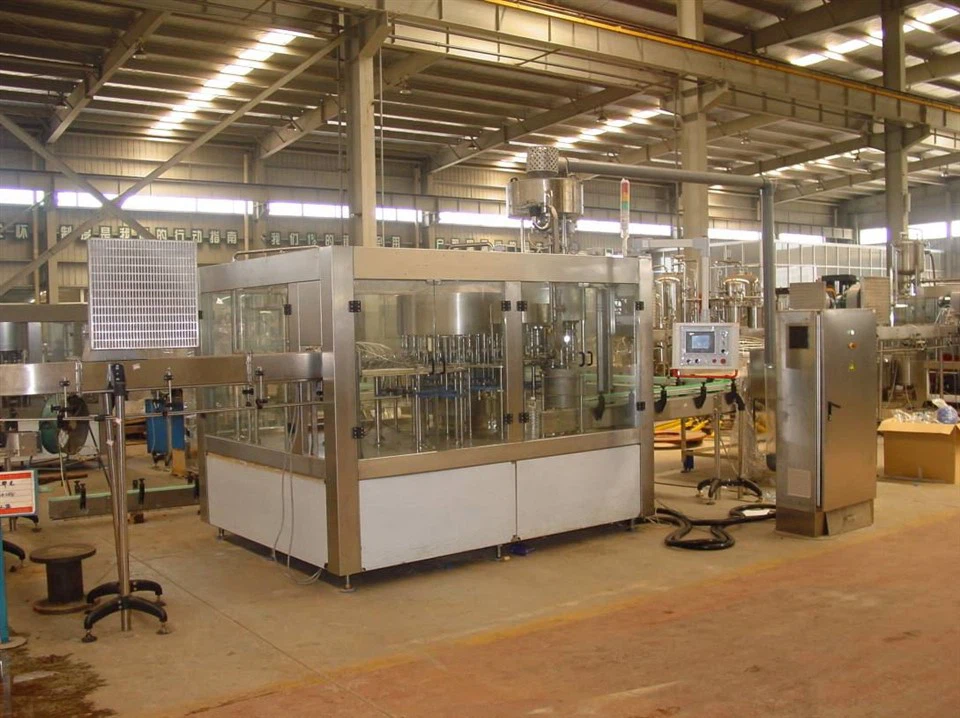

Weekly, you should lubricate the moving parts. The gears, chains, and bearings in a rotary bottle filler need proper lubrication to reduce friction and wear. Use a high - quality lubricant recommended by the manufacturer. This will not only extend the life of these parts but also improve the overall performance of the machine.
Monthly, inspect the electrical components. Look for any signs of frayed wires or loose connections. Electrical issues can be dangerous and can also cause the machine to malfunction. If you notice any problems, it's best to call in a professional electrician.
Yearly, you should have a comprehensive inspection and service of the machine. This is a good time to replace any worn - out parts. For example, the seals in the filling valves may need to be replaced after a year of use. A professional technician can also perform a thorough cleaning of the internal components.
Quality of Input Materials
The quality of the input materials also plays a big role in the long - term operation of a rotary bottle filler. When it comes to the bottles, make sure they are of the right size and shape. Bottles that are too large or too small can cause problems during the filling process. They may not fit properly on the conveyor or may not be filled accurately.
The product being filled also matters. If the product has a high viscosity, it may require a different type of filling valve or a higher pressure to be filled properly. Make sure to consult with the machine manufacturer to ensure that the filler is suitable for the specific product. For example, if you're filling thick sauces, you might need a piston - type filler instead of a gravity - type filler.
Operator Training
Well - trained operators are essential for the long - term operation of a rotary bottle filler. Operators should be familiar with the machine's controls, functions, and safety features. They should know how to start and stop the machine properly, how to adjust the filling volume, and how to troubleshoot common problems.
Provide regular training sessions for your operators. These sessions can cover new features of the machine, safety procedures, and best practices for operation. Encourage operators to ask questions and share their experiences. This will not only improve their skills but also create a culture of safety and efficiency in the workplace.
Upgrades and Modernization
As technology advances, it's a good idea to consider upgrading your rotary bottle filler. Upgrades can improve the machine's performance, increase its efficiency, and reduce downtime. For example, you can upgrade the control system to a more advanced one that offers better precision and flexibility.
Modernization can also involve adding new features to the machine. Some rotary bottle fillers can be equipped with automatic cleaning systems, which can save a lot of time and effort in the cleaning process. You can check out our Washing Filling Capping Machine XLWF16 - 16 - 5, which comes with advanced features for a more efficient operation.
Monitoring and Data Analysis
Monitoring the performance of the rotary bottle filler is crucial. You can use sensors and monitoring systems to collect data on various parameters such as filling volume, filling speed, and machine temperature. Analyzing this data can help you identify potential problems before they become serious.
For example, if you notice a gradual decrease in the filling volume over time, it could be a sign of a problem with the filling valves or the pump. By analyzing the data, you can take proactive measures to address the issue, such as adjusting the valves or replacing the pump.
Compatibility with Other Equipment
A rotary bottle filler is usually part of a larger production line. It's important to ensure that it is compatible with other equipment in the line, such as the conveyor system, the capping machine, and the labeling machine.
If the conveyor system is not synchronized with the filler, it can cause bottlenecks and delays. Make sure that the speed and the spacing of the bottles on the conveyor match the requirements of the filler. The capping machine should also be able to work smoothly with the filled bottles. For instance, if the capping machine is too slow, it can cause a backlog of filled bottles.
We also offer other types of filling machines, such as the Fully Automatic Soda Liquid Filling Machine and the Liquid Bottle Filling Machine, which can be integrated into a complete production line.
Environmental Factors
The environment in which the rotary bottle filler operates can also affect its long - term operation. The machine should be installed in a clean, dry, and well - ventilated area. Dust, moisture, and extreme temperatures can damage the machine's components.
If the production area is dusty, consider installing a dust - collection system. Moisture can cause rust and corrosion, so make sure the area has proper humidity control. Extreme temperatures can also affect the performance of the electrical and mechanical components. If the area is too hot, the machine may overheat, and if it's too cold, the lubricants may thicken.
Documentation and Record - Keeping
Keep detailed documentation of the machine's maintenance, repairs, and performance. This documentation can be very useful for future reference. It can help you track the history of the machine, identify recurring problems, and plan for future maintenance and upgrades.
Record the dates of maintenance, the parts that were replaced, and any issues that were encountered. This will not only help you manage the machine more effectively but also provide valuable information if you need to contact the machine manufacturer for support.
Conclusion
Ensuring the long - term operation of a rotary bottle filler requires a combination of regular maintenance, using quality input materials, well - trained operators, upgrades, and proper environmental conditions. By following these tips, you can keep your machine running smoothly for years to come.
If you're interested in learning more about our rotary bottle fillers or other filling machines, or if you're looking to purchase a new machine for your production line, feel free to reach out. We're here to help you find the best solution for your specific needs.
References
- Manufacturer's manual of rotary bottle fillers
- Industry standards for filling machine operation and maintenance
- Technical literature on food and beverage filling technology


