


Hey there! As a supplier of rotary bottle fillers, I've seen firsthand how crucial it is to boost the filling efficiency of these machines. In this blog, I'm gonna share some practical tips and tricks to help you get the most out of your rotary bottle filler.
1. Understand Your Product and Bottles
First things first, you need to have a solid understanding of the product you're filling and the bottles you're using. Different products have different viscosities, densities, and foaming characteristics. For example, thick syrups will flow more slowly than thin liquids like water. Similarly, carbonated beverages require special handling to prevent excessive foaming.
The type of bottles also matters. The shape, size, and material of the bottles can affect the filling process. Irregularly shaped bottles might be more challenging to fill accurately compared to standard cylindrical ones. Make sure your rotary bottle filler is properly configured to handle the specific product and bottle combination.
2. Optimize the Machine Setup
Proper machine setup is key to improving filling efficiency. Start by adjusting the filling nozzles. The height, angle, and flow rate of the nozzles can significantly impact the filling accuracy and speed. Ensure that the nozzles are positioned correctly above the bottles to prevent spillage and ensure a consistent fill level.
Calibrate the filling volume regularly. Over time, the filling volume can drift due to wear and tear on the machine components. Use a calibrated measuring device to check the fill volume and make adjustments as needed. This will help you maintain product quality and avoid over - or under - filling.
Another important aspect of machine setup is the conveyor speed. The conveyor should move at an appropriate speed to match the filling rate of the machine. If the conveyor is too slow, it can lead to bottlenecks and reduced efficiency. On the other hand, if it's too fast, the bottles might not be filled properly.
3. Maintain Your Machine Regularly
Regular maintenance is essential for keeping your rotary bottle filler running smoothly. Clean the machine thoroughly after each use to prevent the buildup of product residue, which can clog the nozzles and other components. Use appropriate cleaning agents and follow the manufacturer's cleaning instructions.
Inspect the machine for worn or damaged parts on a regular basis. Components such as seals, gaskets, and valves can wear out over time and need to be replaced. Replace any worn parts promptly to prevent breakdowns and ensure consistent performance.
Lubricate the moving parts of the machine as recommended by the manufacturer. Proper lubrication reduces friction and wear, which can improve the overall efficiency and lifespan of the machine.
4. Train Your Operators
Well - trained operators can make a big difference in the filling efficiency of your rotary bottle filler. Provide comprehensive training to your operators on how to operate the machine correctly, including how to set up the machine, adjust the filling parameters, and perform basic maintenance tasks.
Encourage your operators to be vigilant and report any issues or abnormalities with the machine immediately. They can often spot small problems before they turn into major breakdowns, which can save you time and money in the long run.
5. Consider Upgrading Your Machine
If your rotary bottle filler is old or outdated, it might be worth considering an upgrade. Newer models often come with advanced features and technologies that can significantly improve filling efficiency. For example, some modern rotary bottle fillers are equipped with automated controls that can adjust the filling parameters in real - time based on the product and bottle characteristics.
Check out our Washing Filling Capping Machine XLWF16 - 16 - 5, Fully Automatic Soda Liquid Filling Machine, and Liquid Bottle Filling Machine. These machines are designed to offer high - speed, accurate filling, and can be customized to meet your specific production needs.
6. Implement Quality Control Measures
Implementing quality control measures is crucial to ensure that your filled bottles meet the required standards. Use in - line sensors and inspection systems to check the fill level, cap tightness, and other quality parameters. These systems can detect any defective bottles and remove them from the production line automatically.
Conduct regular quality audits to monitor the performance of your rotary bottle filler and the overall filling process. Analyze the data collected from the quality control systems to identify any trends or issues that need to be addressed.
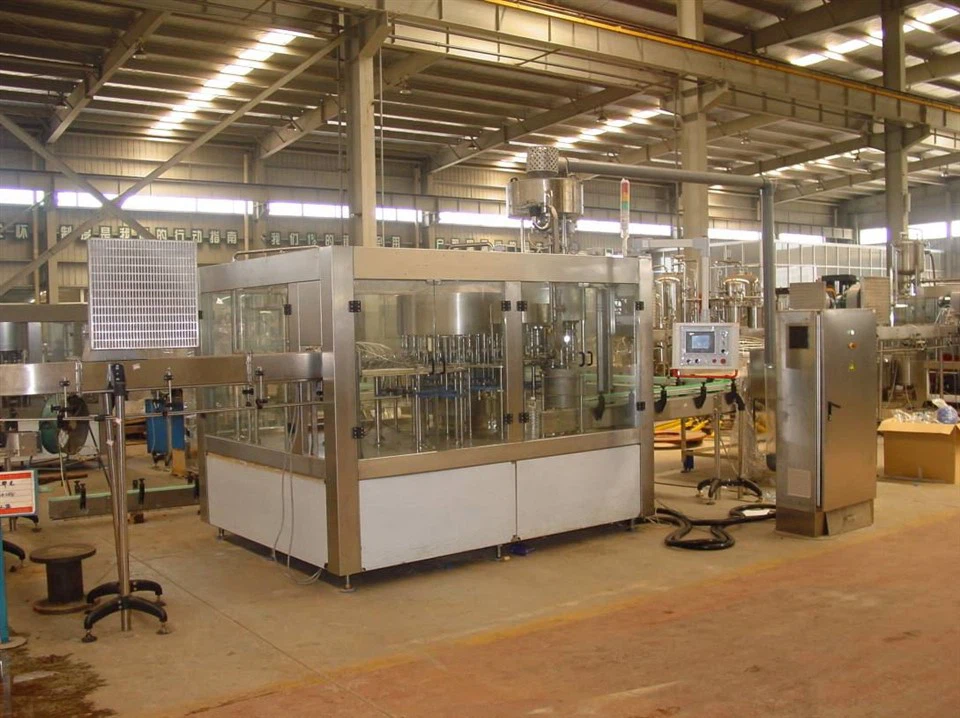

7. Optimize the Production Layout
The layout of your production facility can also impact the filling efficiency of your rotary bottle filler. Make sure there is enough space around the machine for easy access and maintenance. Arrange the conveyor system in a way that minimizes the distance the bottles need to travel and reduces the chances of bottlenecks.
Consider the flow of materials and personnel in the production area. A well - organized production layout can improve the overall productivity and efficiency of the filling process.
Conclusion
Improving the filling efficiency of a rotary bottle filler requires a combination of proper machine setup, regular maintenance, operator training, and the use of advanced technologies. By following the tips and tricks outlined in this blog, you can increase the speed and accuracy of your filling process, reduce waste, and improve the overall quality of your products.
If you're interested in learning more about our rotary bottle fillers or other filling machines, or if you have any questions about improving filling efficiency, don't hesitate to reach out. We're here to help you optimize your production process and take your business to the next level. Contact us today to start a conversation about your specific needs and how we can assist you.
References
- Packaging Machinery Manufacturers Institute (PMMI). (2023). Best Practices for Filling Machine Efficiency.
- Filling Equipment Technology Association. (2022). Guidelines for Optimizing Rotary Bottle Filling Operations.


