


When it comes to the beverage, pharmaceutical, and cosmetic industries, rotary bottle fillers play a crucial role in ensuring efficient and accurate filling processes. As a trusted rotary bottle filler supplier, we understand the significance of precision filling and the impact of the filling error rate on both product quality and business operations. In this blog post, we will delve into what the filling error rate of a rotary bottle filler is, the factors that affect it, and how to manage and optimize this critical parameter.
Understanding the Filling Error Rate
The filling error rate of a rotary bottle filler refers to the deviation between the actual filling volume and the set target volume of the product in each bottle. It is typically expressed as a percentage or in milliliters, depending on the industry standards and requirements. For instance, if the target filling volume is 500 ml, and the actual filled volume ranges from 495 ml to 505 ml, the filling error rate is within ± 1%.
A low filling error rate is essential for several reasons. Firstly, it ensures product consistency, which is paramount for maintaining brand reputation and customer satisfaction. Consumers expect to receive the same amount of product every time they purchase a particular item. Any significant deviation in filling volume can lead to customer complaints and loss of trust. Secondly, it helps in cost management. Over - filling means wasting product material, which directly impacts the bottom line. On the other hand, under - filling may result in legal issues and fines for non - compliance with weight and measure regulations.
Factors Affecting the Filling Error Rate
Equipment Design and Condition
The design of the rotary bottle filler is a fundamental factor influencing the filling error rate. High - quality components, such as accurate flow meters, precise valves, and well - calibrated filling nozzles, are essential for achieving consistent filling volumes. For example, a well - designed nozzle with proper cut - off mechanisms can prevent dripping and over - filling, while a faulty valve may cause inaccurate flow control.
Moreover, the overall condition of the equipment plays a critical role. Regular maintenance and cleaning are necessary to ensure that all parts function smoothly. Wear and tear of components can lead to changes in filling accuracy over time. For instance, a worn - out seal in the filling head may cause leakage, resulting in inconsistent filling volumes.
Product Characteristics
The physical properties of the product being filled also have a significant impact on the filling error rate. Viscosity, for example, is a crucial factor. Highly viscous products, such as honey or peanut butter, flow more slowly than low - viscosity liquids like water or soda. Rotary bottle fillers need to be adjusted accordingly to ensure accurate filling of different products. If the filling settings are not optimized for a particular viscosity, it can lead to under - or over - filling.
In addition, products with particles or foaming tendencies require special consideration. Particles can clog the filling nozzles, affecting the flow rate and filling accuracy. Foaming products, on the other hand, need proper anti - foaming mechanisms to prevent over - filling due to excessive foam.
Operating Conditions
The operating environment and the settings of the rotary bottle filler can influence the filling error rate. Temperature and pressure variations can affect the flow properties of the product. For example, a change in temperature can alter the viscosity of a liquid, which in turn affects the filling volume. Therefore, it is important to maintain stable operating conditions and adjust the filling parameters accordingly.
The speed of the rotary bottle filler is another critical factor. Running the filler at an excessively high speed may result in inaccurate filling as the equipment may not have enough time to measure and dispense the correct volume. Operators need to find the optimal speed that balances productivity and filling accuracy.
Measuring and Monitoring the Filling Error Rate
To ensure accurate filling, it is essential to measure and monitor the filling error rate regularly. This can be done through various methods. One common approach is to use manual sampling and volumetric measurement. Operators can randomly select a certain number of filled bottles, measure the actual volume, and calculate the deviation from the target volume. This method provides direct and accurate data but is time - consuming and may not be suitable for continuous monitoring.
Automated monitoring systems can also be used. These systems are equipped with sensors and detectors that can measure the filling volume in real - time. Some rotary bottle fillers are integrated with advanced technology, such as optical sensors or weighing scales, to detect any deviations and make immediate adjustments. This allows for continuous monitoring and quick intervention in case of any filling errors.
Strategies to Reduce the Filling Error Rate
Equipment Calibration
Regular calibration of the rotary bottle filler is essential for maintaining accurate filling. Calibration involves adjusting the equipment settings to ensure that the actual filling volume matches the target volume. This should be done at regular intervals, especially after any major maintenance or component replacement. Calibration procedures typically involve using reference standards to verify the accuracy of the flow meters, valves, and other filling components.
Product - Specific Adjustments
As mentioned earlier, different products have different physical properties, and the rotary bottle filler needs to be adjusted accordingly. Before starting the filling process for a new product, it is important to conduct trials and optimize the filling parameters. This may include adjusting the filling speed, valve opening time, and nozzle type to ensure accurate filling of the specific product.
Employee Training
Well - trained operators are crucial for minimizing the filling error rate. Operators should be familiar with the operation and maintenance of the rotary bottle filler. They need to understand the factors that affect filling accuracy and how to make the necessary adjustments. Training programs should cover topics such as equipment operation, calibration procedures, and troubleshooting techniques.
Our Rotary Bottle Filling Solutions
As a leading rotary bottle filler supplier, we offer a wide range of high - quality filling machines designed to meet the diverse needs of different industries. Our Fully Automatic Soda Liquid Filling Machine is specially designed for carbonated beverages, with advanced technology to ensure accurate filling and prevent foaming. The Washing Filling Capping Machine XLWF16 - 16 - 5 is a versatile solution that combines bottle washing, filling, and capping functions, providing a seamless and efficient production process. For general liquid filling applications, our Liquid Bottle Filling Machine offers reliable and accurate filling performance.
Our machines are equipped with state - of - the - art components and advanced control systems to minimize the filling error rate. We also provide comprehensive after - sales service, including maintenance, calibration, and technical support. Our team of experts is always ready to assist you in optimizing the performance of your filling equipment.
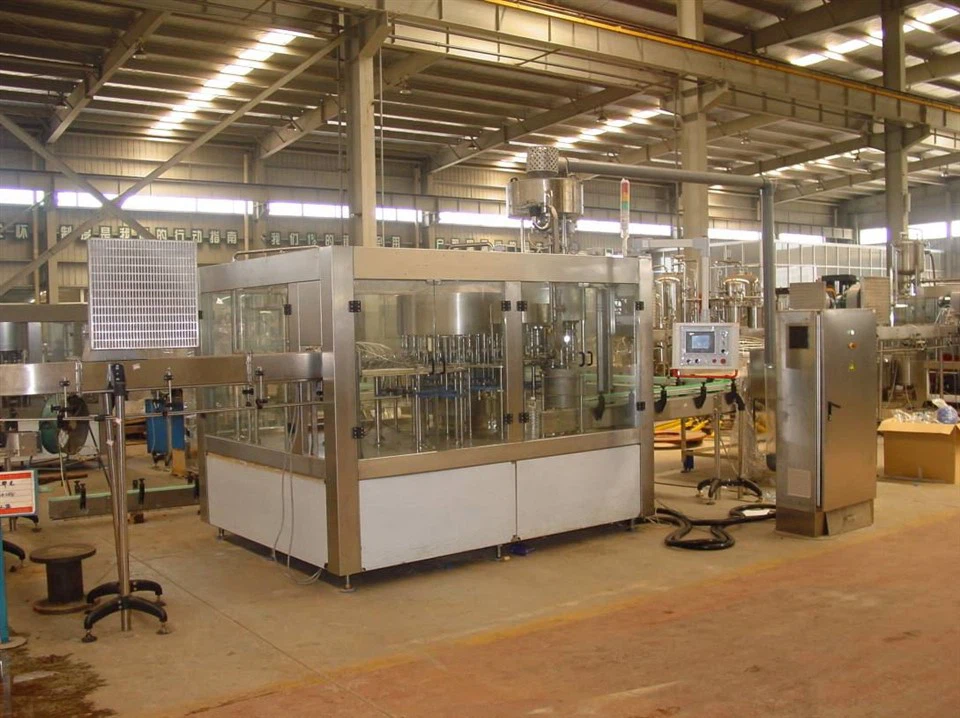

Contact Us for More Information
If you are looking for a reliable rotary bottle filler supplier to improve your filling accuracy and productivity, we would love to connect with you. Whether you are in the initial stages of evaluating different filling solutions or ready to make a purchase, our team is here to help. Contact us to discuss your specific requirements, and let us work together to find the best rotary bottle filling solution for your business.
References
- Beverage Filling Technology Handbook, Author not specified, Publisher: Industry Publishing House, Year of publication not specified.
- Pharmaceutical Packaging and Filling: Best Practices, Author not specified, Publisher: Medical Industry Press, Year of publication not specified.


