


Europe is renowned for its high - quality consumer products, and bottled water is no exception. As a supplier to water bottling plants, I have witnessed firsthand the strict and comprehensive regulations that govern this industry in Europe. These regulations are in place to ensure the safety, quality, and environmental sustainability of bottled water products.
1. Quality and Safety Regulations
Microbiological Standards
One of the primary concerns in the bottled water industry is the microbiological quality of the water. European regulations set strict limits on the presence of various microorganisms in bottled water. For example, the water must be free from coliform bacteria, Escherichia coli, and enterococci. These bacteria are indicators of fecal contamination, and their presence in bottled water can pose a significant health risk to consumers.
Bottling plants are required to conduct regular microbiological tests on their water sources and finished products. These tests are typically carried out using standardized methods, such as membrane filtration and culture techniques. If the test results exceed the permitted limits, the water cannot be bottled and sold.

Chemical Composition
In addition to microbiological standards, European regulations also govern the chemical composition of bottled water. The levels of various chemical substances, such as heavy metals (e.g., lead, mercury, cadmium), pesticides, and nitrates, are strictly regulated. These substances can have harmful effects on human health, especially when consumed over a long period.
Bottling plants must ensure that their water sources meet the chemical quality standards set by the European Union. This often involves conducting regular water quality assessments and implementing appropriate treatment processes, such as filtration, reverse osmosis, and disinfection, to remove or reduce the levels of harmful chemicals.
Packaging Materials
The packaging materials used for bottled water are also subject to strict regulations in Europe. Plastic bottles, which are the most common packaging option for bottled water, must be made from food - grade materials that are safe for contact with drinking water. The use of recycled plastics is also regulated to ensure that they do not contain any harmful substances.
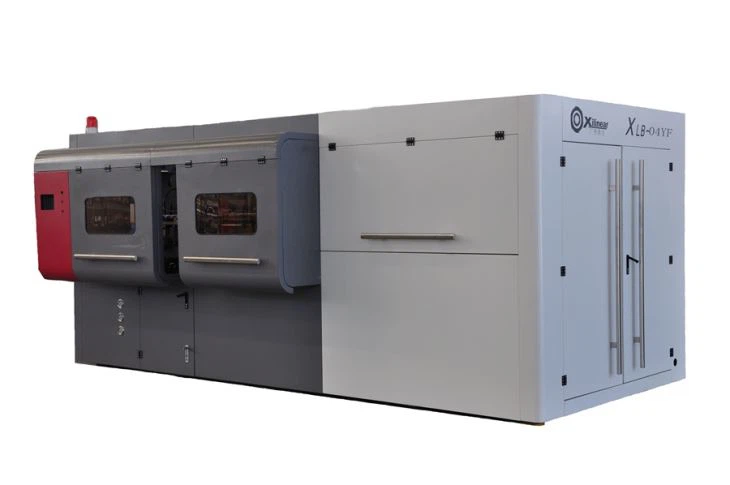
For instance, the European Union has specific regulations regarding the use of bisphenol A (BPA) in plastic packaging. BPA is a chemical that has been linked to various health problems, including hormonal disruptions. Bottling plants are required to use BPA - free plastics in their packaging to protect consumer health. As a supplier, I offer high - quality Plastic Bottle Making Machine that can produce bottles made from safe and compliant materials.
2. Labeling and Information Requirements
Product Information
European regulations require that bottled water labels provide accurate and comprehensive information about the product. This includes the name and address of the bottling plant, the source of the water, the type of water (e.g., spring water, mineral water, purified water), and the mineral content of the water.
The label must also include information about any treatment processes that the water has undergone, such as filtration or disinfection. This information helps consumers make informed decisions about the products they are purchasing.
Nutritional Information
In some cases, bottled water labels may also be required to provide nutritional information, especially if the water contains significant amounts of minerals or other substances that may have a nutritional impact. For example, if a bottled water is high in calcium or magnesium, the label must indicate the amount of these minerals per serving.
3. Environmental Regulations
Waste Management
Bottling plants in Europe are subject to strict environmental regulations regarding waste management. This includes the proper disposal of packaging waste, such as plastic bottles and caps. Many European countries have implemented extended producer responsibility (EPR) schemes, which require bottling plants to take responsibility for the collection, recycling, and disposal of their packaging waste.
As a supplier, I understand the importance of environmental sustainability. That's why I also offer PET Bottle Mold that can be used to produce bottles that are more easily recyclable, helping bottling plants meet their environmental obligations.
Water Resource Management
Given the increasing demand for water and the importance of water conservation, European regulations also focus on water resource management in the bottled water industry. Bottling plants are required to obtain appropriate permits for water extraction and must ensure that their water extraction activities do not have a negative impact on the local water resources.
Some bottling plants are also encouraged to implement water - saving measures, such as recycling and reusing water in their production processes. This not only helps to conserve water but also reduces the environmental impact of the bottling operations.
4. Production Process Regulations
Hygiene and Sanitation
The production process in water bottling plants must adhere to strict hygiene and sanitation standards. This includes maintaining a clean and sanitary production environment, regular cleaning and disinfection of equipment and facilities, and proper training of employees on hygiene practices.
Bottling plants are required to have a documented hygiene management system in place to ensure that all production processes are carried out in a hygienic manner. This helps to prevent the contamination of the water and ensures the safety of the final product.
Equipment and Technology
The equipment used in water bottling plants must also meet certain standards. For example, Fully Automatic PET Blow Moulding Machine used for bottle production must be designed and constructed in a way that minimizes the risk of contamination.
Bottling plants are encouraged to invest in modern and efficient equipment and technology to improve the quality and safety of their products. As a supplier, I offer state - of - the - art equipment that meets the latest European standards and can help bottling plants optimize their production processes.
5. Compliance and Enforcement
European regulatory authorities conduct regular inspections and audits of water bottling plants to ensure compliance with the regulations. These inspections may include on - site visits, product sampling, and review of documentation.
If a bottling plant is found to be non - compliant with the regulations, it may face various penalties, such as fines, suspension of production, or even revocation of its operating license. Therefore, it is essential for bottling plants to stay up - to - date with the latest regulations and ensure full compliance at all times.
Conclusion
The regulations for water bottling plants in Europe are comprehensive and strict, covering various aspects of product quality, safety, labeling, environmental protection, and production processes. As a supplier to water bottling plants, I am committed to providing high - quality equipment and solutions that help my customers meet these regulations.
If you are a water bottling plant operator or are interested in entering the bottled water industry, I invite you to contact me for more information about our products and how they can help you comply with European regulations. We can have in - depth discussions about your specific needs and explore the best solutions for your business.
References
- European Union, "Regulations on the Quality of Bottled Water", EU Publications Office.
- European Food Safety Authority, "Scientific Opinions on Microbiological and Chemical Contaminants in Bottled Water".
- European Environmental Agency, "Reports on Environmental Impact of the Bottled Water Industry".


